REINFORCEKiT® PATCH, Separator Tank – South America
Long-term composite repair solution for tank and pressure vessel reinforcement
Overview
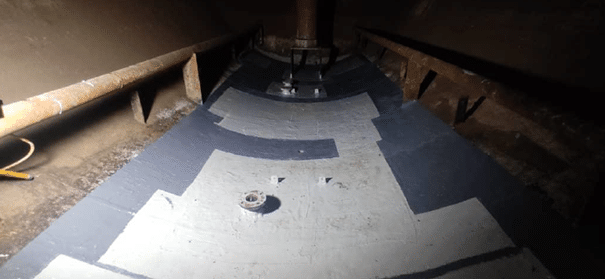
The objective of the repair performed in September 2021 by 3X ENGINEERING (3X) specialists was to reinforce a separator damaged by internal corrosion on 12 areas located inside the tank. According to the defects and the asset specificities, the damaged areas were repaired using REINFORCEKIT® PATCH solution to reinforce and restore original integrity.
Results
This was a quite arduous project because of the numerous large patches to apply but was successfully managed and performed by our team of specialists. The separator tank is now reinforced and protected from further deterioration that could affect its integrity.
 Defect type |
Internal corrosion |
Details |
Separator tank, diameter 198" (5m) |
Location |
South America |
3X Product type |
REINFORCEKiT® PATCH |
SCOPE OF WORK
The repair design was performed in compliance with API 653 and ASME PCC-2 standards. REINFORCEKIT® PATCH solution is a composite technology made of several Kevlar® patches and bi-component epoxy resin and needs an installation by trained and certified applicators as described below:
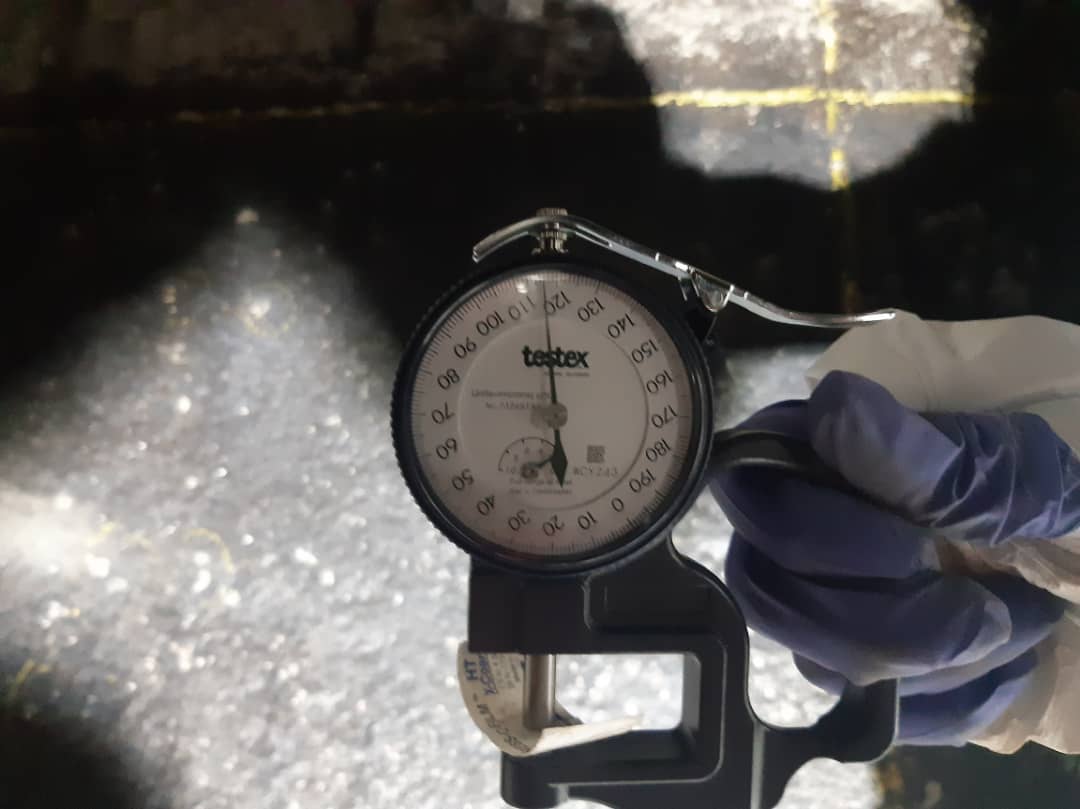
- Step-surface preparation and cleaning: Surface preparation was performed on the damaged locations of the separator by hydroblasting. The surface profile was checked using a roughness tester to validate that roughness was acceptable and superior to 60-micron. Climatic conditions were checked before applying the resin. Patching areas were previously delimited with abrasive tape and cleaned with acetone.
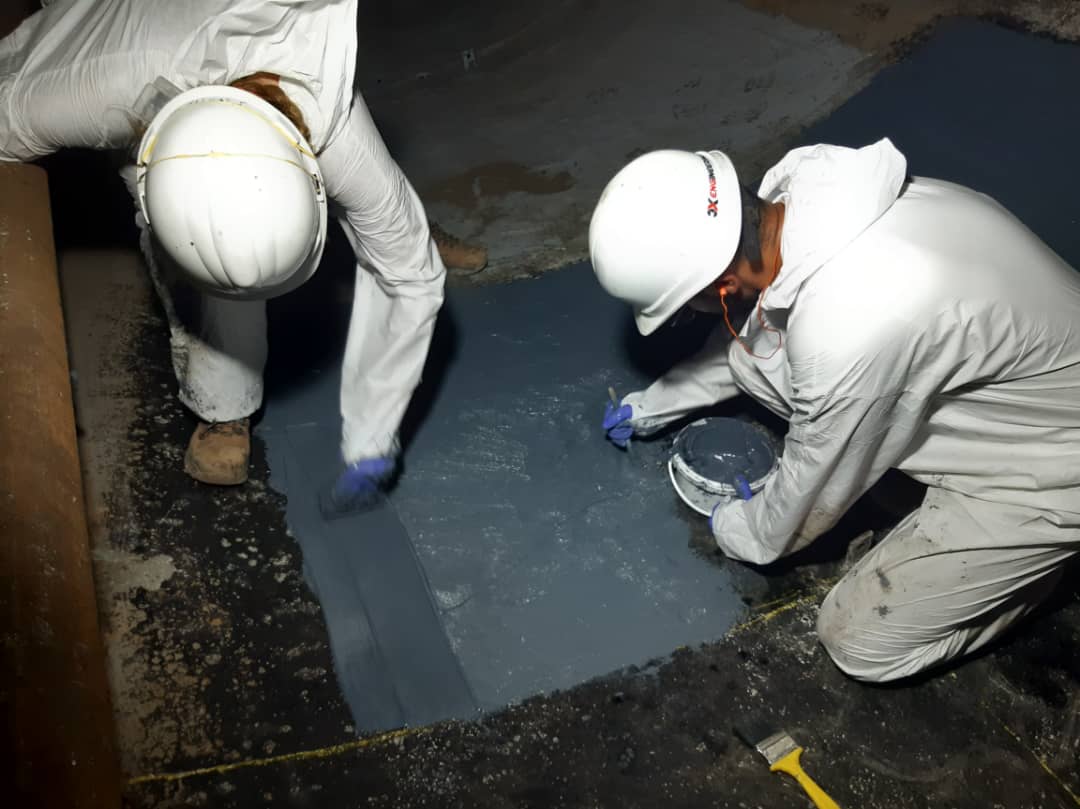
- Filler and resin application: 3X filler with high mechanical properties and chemical resistance was firstly applied on all delimited areas to reshape them. Then one layer of 3X specific resin was applied over the filler to protect the surface before patching.
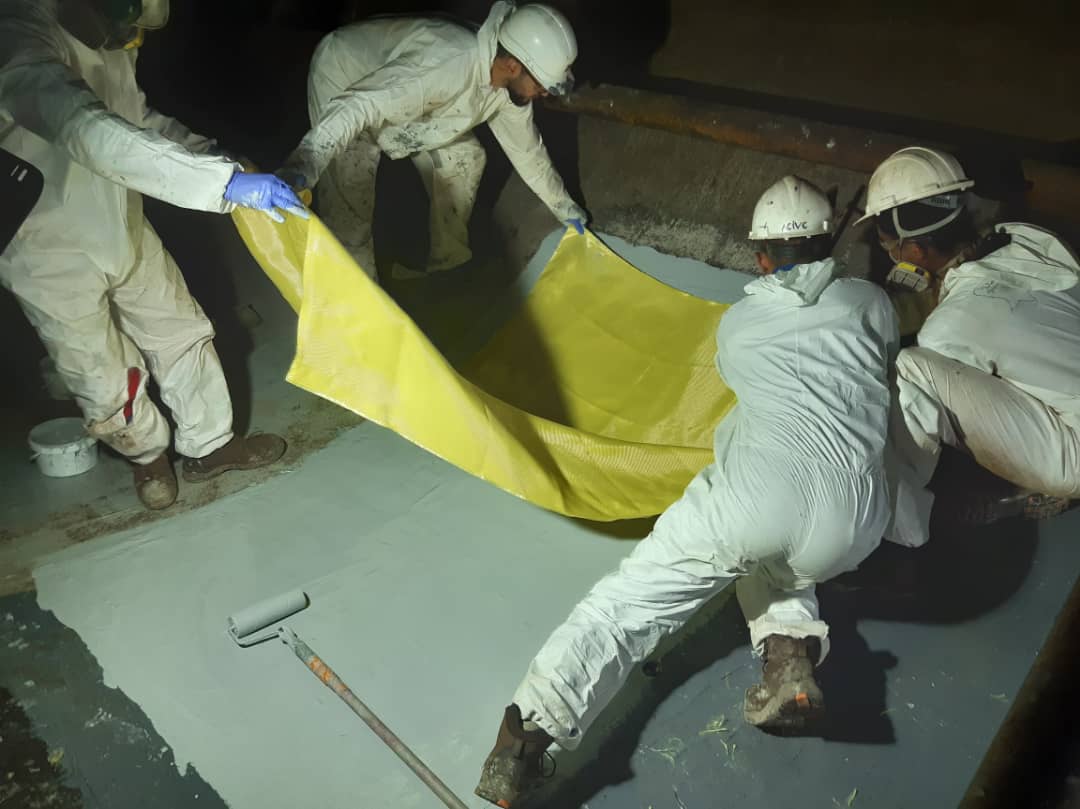
- Composite patching reinforcement: Kevlar® patches impregnated with R3X150 resin were applied on the 12 defected areas. Patching size was determined according to the defect (the smallest one measured 795x445mm and the largest one 1270x2073mm). Each patch was impregnated separately and superimposed one after the others.